The internet is suddenly packed with headlines claiming an “Amazon Electric Car launched,” and the story is going global because it sounds like the perfect storm: a tech giant, a mass-market EV, and pricing that feels “subscription-friendly.” While a lot of this chatter is driven by viral posts and leak-style narratives, the excitement makes sense—people imagine Amazon doing to cars what it did to shopping: faster, simpler, and more affordable. The bold claims floating around include a 400–500 mile range, a “Prime-style” monthly plan, and a digital-first ownership experience that feels like ordering your next vehicle the same way you order a phone. Even if the details are still buzz-heavy, this topic is exploding because the concept is addictive.
Design and Built Quality
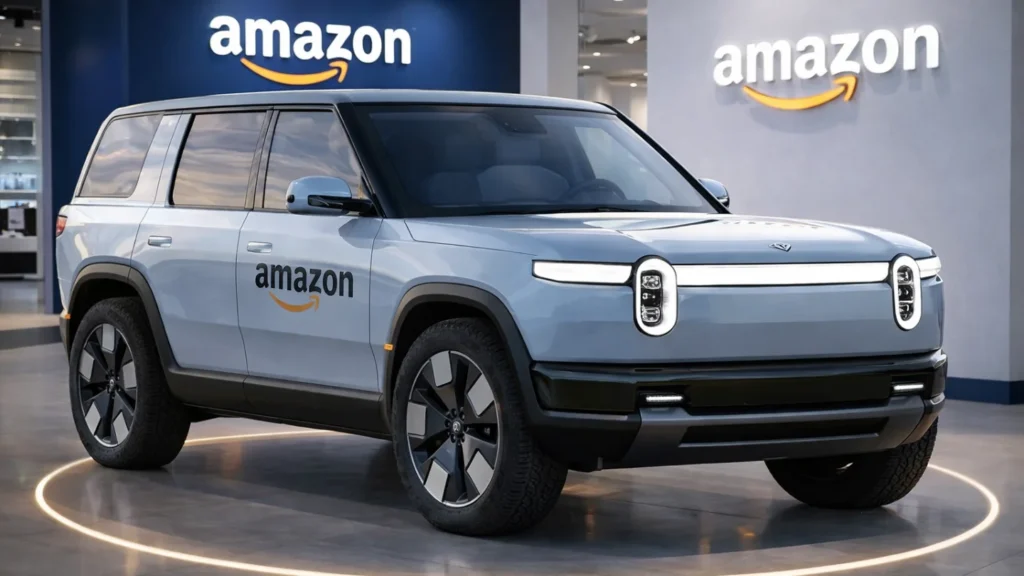
Most “first look” descriptions paint the Amazon EV as clean, modern, and built for everyday life rather than flashy supercar drama. Expectation is a compact-to-midsize shape with smooth surfaces, futuristic lighting, and practical proportions that work for families and city commuters. The viral narrative often highlights a cabin designed like a smart gadget—minimal buttons, a wide display, and an interior layout that feels calm and organized. Build quality expectations are surprisingly high, with talk of durable materials, stain-resistant seating, and clever storage designed for real-world routines like school runs, grocery trips, and weekend drives. If Amazon’s philosophy carries over, the design would likely focus on simple usability, strong comfort, and “it just works” convenience.
Also Read: 2026 Fiat Doblo Camper: Slide Out Kitchen Pod, 2 Berth Sleep Deck and Touring Cost Under £31,000
Range and Charging
This is where the buzz becomes headline material. The most repeated claims suggest a driving range around 420–500 miles depending on battery configuration, aiming to compete with long-distance EV leaders. Charging rumors are equally aggressive, with talk of 0–80% in 18–22 minutes at high-power stations and smart route planning that automatically selects the best charging stops. Some viral posts even push the idea of Amazon-branded charging partnerships that offer discounted rates through memberships. Real-world range would still depend on speed, weather, and driving style, but the hype shows what mainstream buyers want: long range, fast charging, and fewer reasons to worry.
Features & Safety Features
The “Amazon Car” story leans hard into the ecosystem angle. Rumors often include a voice-first experience, seamless device pairing, cloud-connected navigation, and a user profile system that remembers seating and climate settings like a streaming account. Safety expectations are also strong: adaptive cruise control, lane-keeping support, blind-spot monitoring, automatic emergency braking, and 360-degree cameras for easier parking. The more dramatic buzz claims even hint at over-the-air updates that improve efficiency and driver assistance over time. Whether or not all of this becomes real, the feature narrative is built to excite—tech-driven comfort, smart safety, and constant upgrades.
Price, EMI, Down Payment & Subsidy Details
Pricing chatter is the reason this story spreads so fast. Viral estimates often position an “entry” Amazon EV around $24,999–$29,999, with higher trims reaching $39,999–$49,999 depending on range and features. The most exciting claim is the monthly plan angle: numbers like $199–$299 per month are being tossed around, sometimes with down payments as low as $999–$2,999, especially when paired with membership-style perks. Incentives could also play a role in some markets, with speculation of $2,000–$7,500 in rebates depending on eligibility and price caps. Final pricing would depend on official announcements, taxes, and regional rules—but this kind of number-driven buzz is exactly what keeps the “Amazon Electric Car launched” story trending.